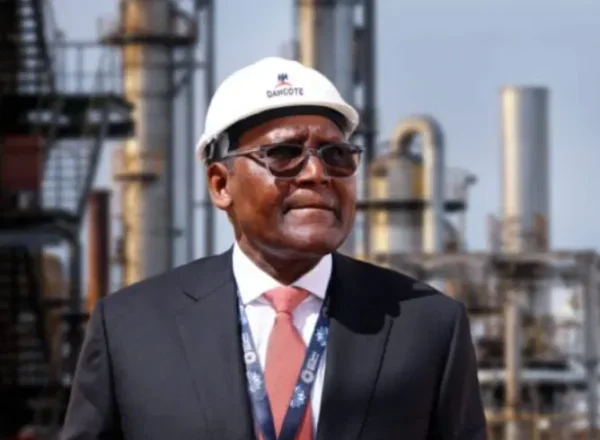
Nigerian industrial conglomerate Dangote Group has secured a landmark $4.2 billion gas supply agreement with GCL Group to power a major fertilizer production project in Ethiopia, marking a significant step in the country’s push toward agricultural self-sufficiency.
The agreement, which spans 25 years, will ensure a steady supply of natural gas from the Calub field in the Ogaden Basin. The gas will be transported via a 108-kilometer pipeline to a fertilizer plant under development in Gode.
The fertilizer facility, estimated to cost $2.5 billion, is expected to produce up to 3 million tons of urea annually once operational, with completion targeted for 2029. The project is a joint venture between Dangote Group, which holds a 60% stake, and Ethiopian Investment Holdings, which owns the remaining 40%.
Ethiopia currently relies heavily on imported fertilizer to support its agricultural sector, bringing in millions of tons each year. The new plant is expected to significantly reduce this dependence by meeting domestic demand while also supplying neighboring markets across East Africa.
By integrating natural gas production with fertilizer manufacturing, the project establishes a full domestic value chain that could enhance productivity in agriculture and strengthen food security in the region. It also positions Ethiopia as a potential fertilizer export hub, helping stabilize supply and prices in a market often affected by global disruptions.
Beyond agriculture, the initiative is expected to drive broader economic benefits, including job creation, infrastructure development, and increased industrial capacity. It also reflects a growing trend of strategic partnerships between African industrial players and international energy firms, particularly from China.
The deal underscores Dangote Group’s continued expansion beyond Nigeria and its commitment to large-scale industrial projects across Africa. If successfully executed, the Ethiopia fertilizer plant could become one of the largest in the region, reinforcing the continent’s efforts to harness local resources for sustainable development.