Ghana has unveiled its first-ever National Reserve Accumulation Policy, setting an ambitious target to build foreign exchange reserves equivalent to 15 months of import cover by the end of 2028. The policy, known as the Ghana Accelerated National Reserve Accumulation Policy (GANRAP), is designed to strengthen the country’s external buffers, reduce reliance on short-term external borrowing, and enhance resilience against global economic shocks.
The initiative formalizes reserve accumulation under a defined legal and institutional framework, with oversight from the Parliament of Ghana and implementation support from the Bank of Ghana. As of late 2025, Ghana’s gross international reserves stood at roughly $13.8 billion, covering about 5.7 months of imports. Under GANRAP, authorities aim to raise that figure to approximately 8.6 months by 2026, 11.8 months by 2027, and ultimately 15 months by 2028.
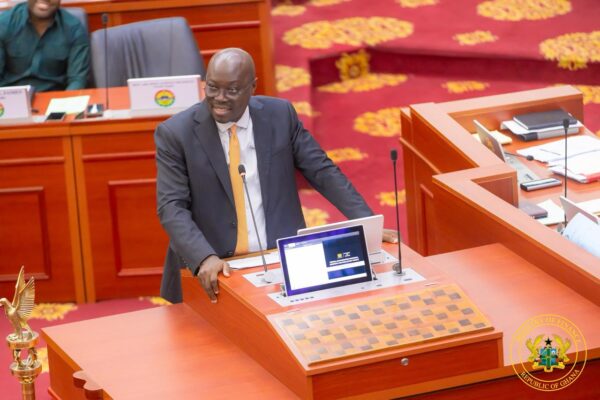
A key pillar of the policy is a gold-backed accumulation strategy anchored in the Ghana Gold Board Act, 2025. The government plans to purchase around three tonnes of gold weekly, refining and converting it into foreign exchange to bolster reserves. Finance Minister Cassiel Ato Forson noted that leveraging Ghana’s position as one of Africa’s top gold producers will allow the country to transform its mineral wealth into stronger external buffers.
Authorities argue that boosting reserves to 15 months of import cover, well above the conventional three-month benchmark, will support currency stability, improve investor confidence, and provide a safeguard against commodity price volatility and tightening global financial conditions. While supporters see the plan as bold and forward-looking, some economists have questioned whether such a high reserve target is necessary, warning that excessive accumulation could carry opportunity costs if not carefully managed.
Despite the debate, the government maintains that the phased and institutionalized approach under GANRAP will enhance macroeconomic stability and mark a significant shift in Ghana’s external reserve management strategy, positioning the country to better withstand global economic shocks.