Zambia is positioning itself to become one of Africa’s leading maize producers, unveiling an ambitious agricultural strategy aimed at significantly expanding production capacity and boosting exports across the continent.
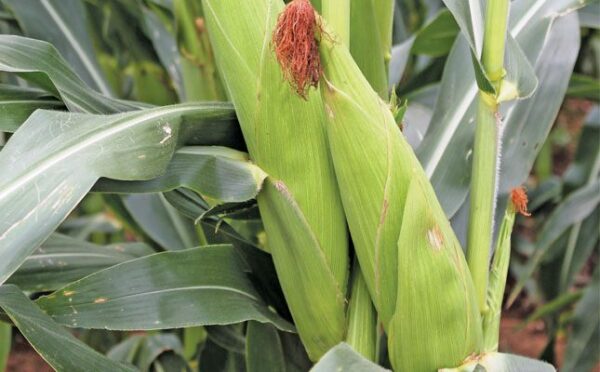
The government plans to increase national maize output to 10 million metric tons by 2031, nearly tripling production from the 3.6 million tons harvested in 2025. The initiative forms part of a broader push to transform agriculture into a major engine of economic growth, food security, and rural development.
At the center of the strategy is increased investment in irrigation, mechanization, and improved seed technologies designed to reduce dependence on rainfall and stabilize yields. Authorities also aim to expand cultivated land while improving productivity among smallholder farmers, who currently account for the bulk of maize production.
Government officials view maize not only as a staple food crop but also as a strategic export commodity capable of strengthening Zambia’s influence in regional food markets. Demand for maize remains strong across Southern and Eastern Africa, where recurring climate shocks and supply gaps have increased reliance on surplus-producing countries.
To support this expansion, Zambia plans to mobilize roughly $760 million in agricultural investments, targeting infrastructure development, fertilizer access, and modern farming techniques. Enhancing storage facilities and logistics systems is also expected to reduce post-harvest losses and ensure consistent supply chains.
Despite its strong production potential, Zambia faces structural challenges. Average maize yields remain below optimal levels compared to global standards, highlighting the need for better farming practices, improved inputs, and climate-resilient agriculture. Analysts note that closing this productivity gap could significantly accelerate output growth without requiring massive land expansion.
If successful, Zambia’s maize strategy could elevate the country into Africa’s top tier of grain producers, reinforcing its role as a regional breadbasket while supporting farmer incomes and economic diversification beyond mining.
The initiative reflects a growing continental trend in which African governments are prioritizing agricultural modernization to meet rising food demand and reduce dependence on imports amid global supply uncertainties.