
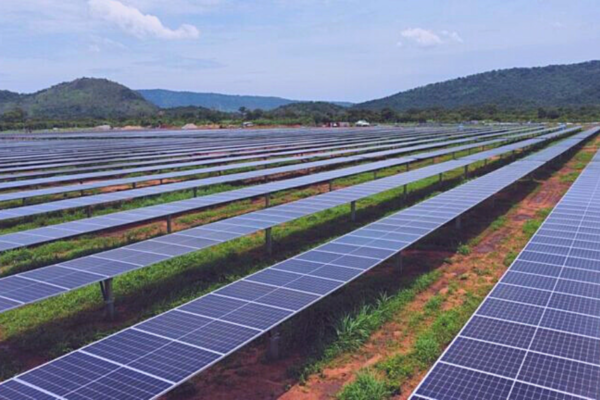
Namibia has marked a milestone in its energy transition after its first merchant solar power plant began selling electricity directly into the regional power market. The 19.3-megawatt Gerus solar photovoltaic plant has entered commercial operation and is now trading electricity through the Southern African Power Pool (SAPP), making it the first renewable energy project in the country to operate without a long-term power purchase agreement.
Developed by Solarcentury Africa in partnership with Sino Energy, the Gerus plant represents an investment of about $20 million and signals a shift toward market-based electricity trading in Namibia. Unlike conventional independent power projects that rely on fixed contracts with national utilities, the merchant model allows the plant to sell power competitively to buyers across Southern Africa.
The solar facility is expected to generate approximately 50.8 gigawatt-hours of electricity annually, enough to supply more than 14,000 households. It is also projected to cut carbon emissions by around 17,000 tonnes per year, contributing to regional decarbonization efforts at a time when Southern Africa continues to face power supply constraints.
By feeding power into the SAPP, the Gerus plant strengthens Namibia’s integration into the regional electricity market, which links utilities and power producers across 12 countries. The project adds renewable capacity to a system still heavily dependent on hydro and fossil fuel generation, improving energy diversity and resilience.
The Gerus development builds on Solarcentury Africa’s earlier merchant solar project in Zambia, the 25-megawatt Mailo plant, which also supplies electricity to the regional market. An expansion of the Zambian facility is already underway, highlighting growing confidence in merchant renewable energy models across Southern Africa.
Industry observers say the successful launch of Namibia’s first merchant solar plant could encourage further private investment in renewables, particularly as countries seek flexible solutions to meet rising electricity demand while reducing dependence on carbon-intensive power sources.