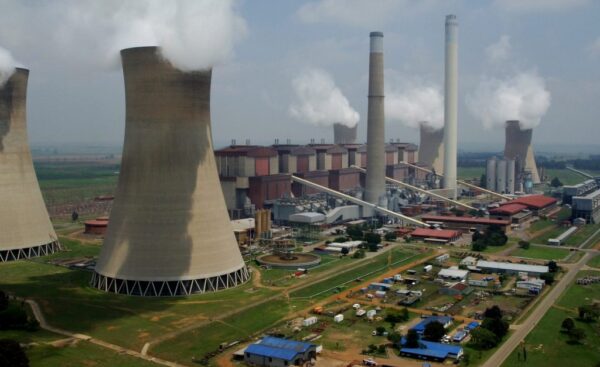
Eskom is projecting a profit of about US $937 million for the fiscal year ending March 2026, marking another year of improved financial and operational performance as the country experiences a sharp decline in power cuts. According to the utility, the turnaround is being driven by fewer blackout days, reduced finance costs, and tariff adjustments that have strengthened its revenue base.
Between March and September 2025, South Africa recorded only four days of load-shedding, a dramatic improvement compared with more than 300 blackout days during the same period in the previous year. Eskom attributes the stability to ongoing maintenance reforms, better plant performance, and a more disciplined approach to managing generation capacity. The steady power supply has boosted public confidence and allowed industries to operate more consistently after years of disruptions.
Eskom’s financial position has also improved due to lower interest expenses, following efforts to reduce its heavy debt burden. A 12.7% electricity tariff increase, implemented in April 2025, has further strengthened its revenue outlook, supporting operations and investment plans.
Looking ahead, Eskom plans to invest around R17 billion to modernize and expand the national grid. The utility aims to raise South Africa’s generation capacity to 107 GW by 2034, up from 66 GW in 2024, as part of a long-term strategy to meet rising demand and support future industrial growth.
While the latest projections highlight clear progress, Eskom acknowledges that sustaining the recovery will require continued operational discipline, infrastructure investment, and improved payment compliance from municipalities, whose outstanding debts remain a major challenge. Nonetheless, the utility’s strong forecast signals a positive shift for South Africa’s energy sector after years of instability.