Ghana is stepping up efforts to solidify its position as a continental leader in electric mobility, building on an estimated 17,000 registered electric vehicles, the largest EV fleet in Africa. Speaking at the opening of the African Renewable Energy Forum (REFA) in Accra, Energy Minister John Abdulai Jinapor said the government intends to “go faster” in expanding the sector, turning early progress into sustainable national leadership.
The country’s EV growth has been driven largely by local innovators such as SolarTaxi and Kofa, which assemble electric motorcycles, tricycles, minibuses, and small-scale vehicles through partnerships with major Chinese manufacturers, including BYD, Chery, Dongfeng and TAILG. These vehicles, widely used for deliveries, urban commuting, and commercial transport, offer operating costs up to 60 percent lower than traditional fuel-powered options, a key advantage in a market sensitive to rising fuel prices.
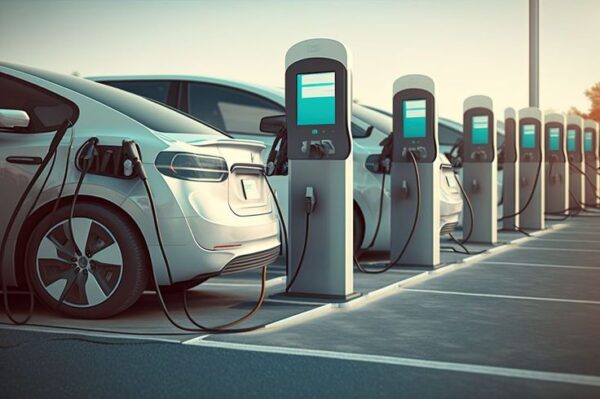
Despite rapid adoption, Ghana’s electric mobility ecosystem still faces significant challenges. As of early 2024, only seven public charging stations were available nationwide, all based in Accra, leaving large parts of the country without reliable charging infrastructure. Maintenance capacity is also limited, with most local garages lacking the tools and expertise required to service EVs, forcing many owners to rely on dealers or endure long repair delays.
To close these gaps, the government is calling on private-sector investors to help develop a national network of charging stations. Plans are also underway to expand technical training programs and strengthen collaboration between industry and vocational institutions to build a skilled workforce capable of supporting long-term EV adoption and maintenance.
The accelerated EV push aligns with Ghana’s broader clean-energy strategy. In August, the Ministry of Energy approved a US$3.4 billion initiative to add 1,400 MW of new renewable energy capacity, including large-scale rooftop solar installations for schools and health centers. This expansion is expected to reduce pressure on the national grid while enabling sustainable electrification of transport.
Officials say Ghana aims to draw lessons from India and China, where coordinated policies, private-sector participation, and strong manufacturing ecosystems have enabled rapid EV expansion. By combining supportive regulations, local assembly, renewable-energy growth and investment in infrastructure, Ghana hopes to establish one of Africa’s most advanced and scalable electric-mobility environments.