
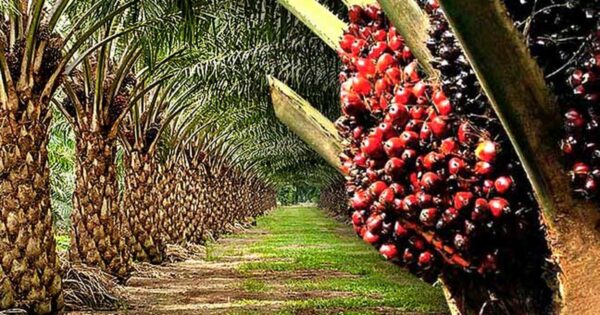
The Government of Ghana has unveiled a $500 million financing initiative aimed at revitalizing the country’s palm oil industry and reducing its growing dependence on imports. The fund, which forms part of the upcoming National Integrated Palm Oil Development Policy (2026–2032), will be implemented in collaboration with the World Bank, the Ghana Development Bank and several development finance institutions to support large-scale plantation development and industrial processing.
The financing window will offer long-term loans with concessional interest rates and a five-year moratorium on the repayment of both principal and interest. Officials say the facility will finance up to 70% of investment costs for eligible projects. Through the program, Ghana plans to establish 100,000 hectares of new oil palm plantations, a move expected to help close the country’s annual 200,000-ton supply deficit and strengthen its competitiveness in regional and international markets.
A key component of the initiative is support for smallholder farmers, particularly women and youth, who will benefit from a dedicated fund offering access to credit, technical training, improved planting materials and guaranteed offtake arrangements. Agencies including the Tree Crops Development Authority and the Oil Palm Research Institute will play central roles in guiding farmers and improving productivity across the value chain.
The government also intends to tighten enforcement against the illegal importation of cooking oils, which has been undermining local producers and distorting market prices. By adopting best practices from leading palm oil-producing countries such as Malaysia and Indonesia, Ghana hopes to spur rural employment, enhance value addition and drive long-term industrial growth in the sector.