
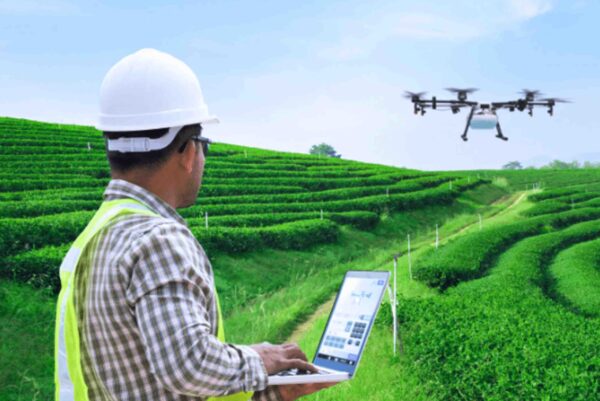
Zimbabwe is scaling up the use of digital agriculture tools to strengthen food security as farmers continue to face severe climate shocks, droughts, and erratic rainfall. The initiative is being supported by the Food and Agriculture Organization (FAO) through a series of technology-driven programs aimed at transforming rural farming.
Under the FAO-backed EOSTAT project, Zimbabwe is adopting Earth Observation and geospatial technologies to improve crop monitoring, land-use mapping, and early-warning systems for droughts, pest outbreaks, and other climate-related threats. These tools will provide real-time data to guide decision-making and support faster responses across the agricultural sector.
In addition, FAO is promoting its “Digital Villages” model in rural communities—an initiative designed to increase farmers’ access to digital advisory services, financial tools, and market information. The model integrates digital platforms, mobile services, and community-based technology hubs to bridge the rural digital divide.
The deployment of solar-powered irrigation systems is also underway to help farmers reduce reliance on rain-fed farming. The solution offers sustainable energy for irrigation, enabling year-round food production and boosting resilience against drought.
Agriculture remains central to Zimbabwe’s economy, accounting for about 15% of its GDP, employing 53% of the workforce, and supplying 63% of raw materials for the manufacturing sector. It also contributes nearly 30% of the country’s export earnings. However, growing climate vulnerability continues to threaten food production and rural livelihoods.
The digital agriculture drive is expected to enhance productivity, improve climate resilience, and strengthen food systems. By equipping farmers with data, technology, and clean energy solutions, Zimbabwe hopes to accelerate the shift toward climate-smart agriculture and reduce the country’s exposure to food insecurity.