
Eva Ban Growing concern over water security is prompting West African countries to bolster cooperation over shared rivers and aquifers, as climate shocks, population pressures and competing demands strain the region’s resources.
Benin has become the latest country in the region to join the United Nations Water Convention, bringing its membership to 61 parties. The UN economic commission that hosts the treaty says Benin is the ninth ECOWAS member to accede.
The UN treaty register records the accession on 22 September 2026. A UN announcement followed on 24 September, during the General Assembly in New York.
For Benin, cooperation is tied to geography. Its government says the country shares river basins with neighbours and identifies Niger, Nigeria, Togo and Burkina Faso among the states with which accession could strengthen coordinated water management.
The move comes alongside a broader regional effort to improve how water is governed.
In a statement published on 25 September, ECOWAS said West African water ministers had endorsed measures to strengthen water information systems, promote sustainable financing and address pollution affecting shared river basins.
Ministers also backed revising the West African Water Resources Policy. The regional body cited climate shocks, environmental degradation, population pressures and competing demands as reasons for stronger collective action.
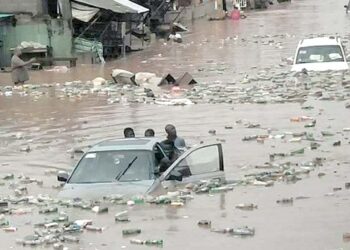
The consequences of extreme weather are visible. The World Meteorological Organization says floods affected more than four million people across West and Central Africa in 2024, causing hundreds of deaths and displacing hundreds of thousands.
Its assessment warned that extreme weather and climate change were worsening hunger, insecurity and displacement across Africa. It called for investment in infrastructure, data sharing and early warning systems.
The water convention offers a legal framework for some of that cooperation.
According to the UN Economic Commission for Europe, its central requirements include preventing and reducing harm across borders, using shared waters reasonably and equitably, and ensuring their sustainable management.
Countries that are parties and share transboundary waters must cooperate through specific agreements and joint bodies. Their obligations include exchanging information, holding consultations and establishing warning systems.
That gives accession practical relevance beyond the diplomatic ceremony: the framework connects shared water management with the exchange of information and coordination between governments.
Its scope also extends beyond rivers and lakes. The commission says the convention covers groundwater and applies to water quantity as well as quality, including issues involving floods and droughts.
But membership alone does not establish that these arrangements are working. The convention’s implementation measures include joint monitoring, national governance improvements and agreements between countries sharing water.
The regional agenda likewise points to work still required. Ministers’ decisions on financing, information systems and pollution identify the institutions and resources needed to turn cooperation commitments into routine management.
Benin’s accession adds another participant to that effort. Alongside the ministerial decisions, it shows governments pursuing shared rules and regional coordination as part of their response to water pressures.
The practical test will be how those commitments are implemented across the rivers and aquifers on which neighbouring countries depend for water, livelihoods and development.
Second Eye Africa