Ghana is entering a new phase of trade governance as artificial intelligence begins to reshape customs enforcement, introducing both stronger revenue performance and rising tensions within the country’s trade and logistics ecosystem.
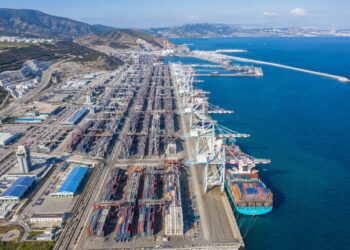
The government has rolled out an AI-powered customs valuation system at major ports, including Tema, as part of broader efforts to modernize border management, reduce fraud, and plug long-standing revenue leakages. Authorities view the technology as a key instrument in improving efficiency and strengthening fiscal stability amid evolving global trade pressures.
Early outcomes suggest the reform is already delivering measurable results. Customs revenue collections have increased significantly following the deployment of the system, reflecting tighter monitoring of imports and improved detection of undervaluation practices. Officials argue that automated assessments reduce human discretion, limit corruption risks, and align Ghana’s trade administration with digital transformation trends taking hold worldwide.
The AI platform works alongside Ghana’s existing digital trade infrastructure, including electronic customs processing systems introduced to streamline import and export documentation. By automating valuation processes, authorities aim to shorten cargo clearance times while enhancing compliance monitoring across supply chains. Similar digital reforms are increasingly seen across Africa as governments pursue efficiency gains under expanding regional trade frameworks.
However, the transition has triggered friction between regulators and private-sector operators. Freight forwarders, importers, and traders have voiced concerns that algorithm-driven valuations sometimes exceed declared transaction prices, leading to higher duty assessments. Industry groups argue that limited transparency surrounding how the AI calculates values makes it difficult for businesses to challenge decisions or predict costs accurately.
Critics warn that heavy reliance on automated benchmarks could create disputes with international trade rules that prioritize actual transaction value in customs assessments. Legal and logistics experts caution that without sufficient oversight and stakeholder engagement, the technology risks disrupting trade flows rather than facilitating them.
Government officials maintain that the reform is necessary to curb systemic under-invoicing and revenue losses that have historically weakened public finances. The AI system is also expected to accelerate customs processing, reducing clearance procedures that previously took hours to just minutes while strengthening enforcement against fraud and smuggling.
The debate highlights a broader challenge facing many emerging economies: balancing digital innovation with commercial predictability. As artificial intelligence becomes embedded in customs operations, Ghana must reconcile its push for technological modernization with the need to preserve trader confidence and maintain smooth cross-border commerce.
Ultimately, the success of Ghana’s AI-driven customs reform will depend on transparency, regulatory clarity, and continuous dialogue between authorities and the private sector. If managed effectively, the initiative could position the country as a regional leader in digital trade governance; if not, it risks deepening trade friction at a time when Africa is working toward greater economic integration.